Gulangyu Island

Huandao Road

Nanputuo Temple
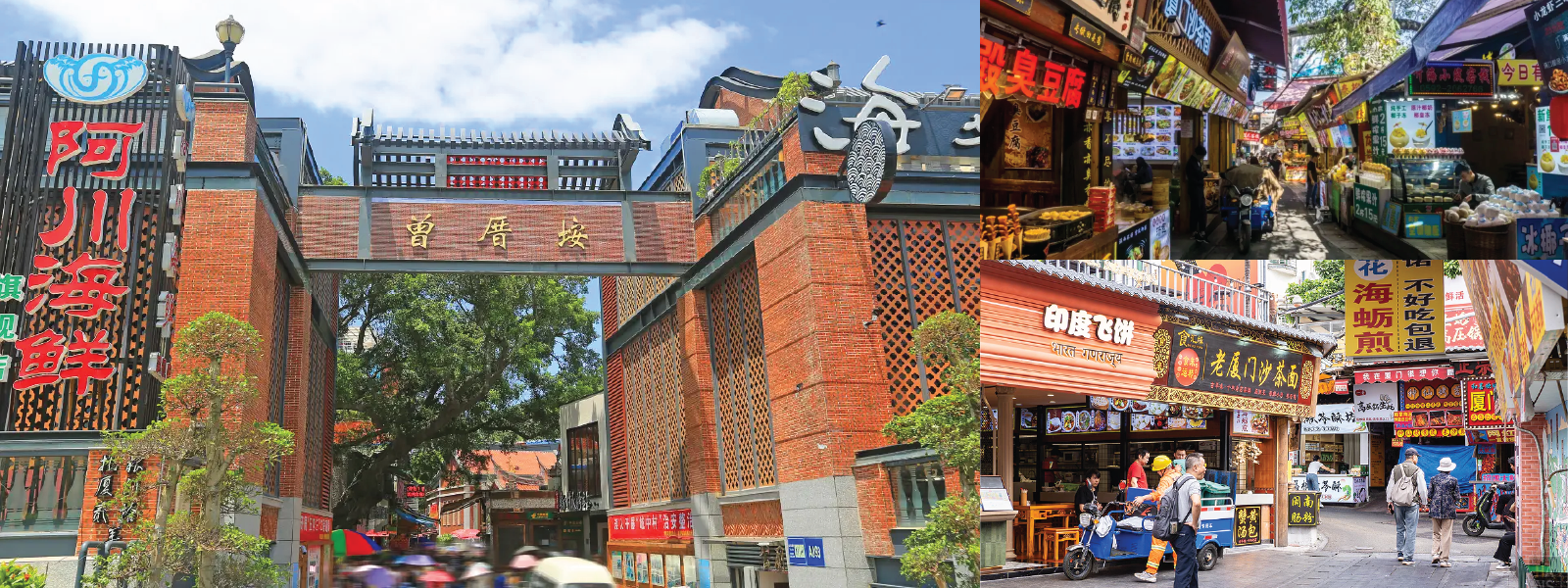
Zengcuo'an Village

Jimei School Village
In 2017, the International Conference on Trustworthy Systems and Their Applications (TSA) and the International Symposium on Dependable Computing and Internet of Things (DCIT) were merged to form a larger and more comprehensive event, the International Conference on Dependable Systems and Their Applications (DSA). DSA 2026 marks the tenth edition of the conference since this successful merger, reflecting a decade of continued growth and collaboration within the scientific community. Both TSA and DCIT were technically sponsored by IEEE, and DSA 2026 continues this tradition. Building upon the strong foundations established by its predecessor conferences, DSA serves as an important forum for the presentation and discussion of innovative methodologies, techniques, tools, and management practices aimed at developing dependable and trustworthy systems and applications in a cost-effective manner. In particular, DSA 2026 highlights the growing role of emerging technologies, including artificial intelligence (AI), machine learning, deep learning, and large language models (LLMs), in advancing the state of the art in system dependability, reliability, security, and trustworthiness. The conference provides an excellent opportunity for academic researchers, industry practitioners, and government policymakers and decision-makers to exchange ideas and research results, share experiences and best practices, and explore innovative solutions to current and future challenges in the field. DSA 2026 will be held in Xiamen, China, on November 14-15, 2026.